Jun 25, 2026
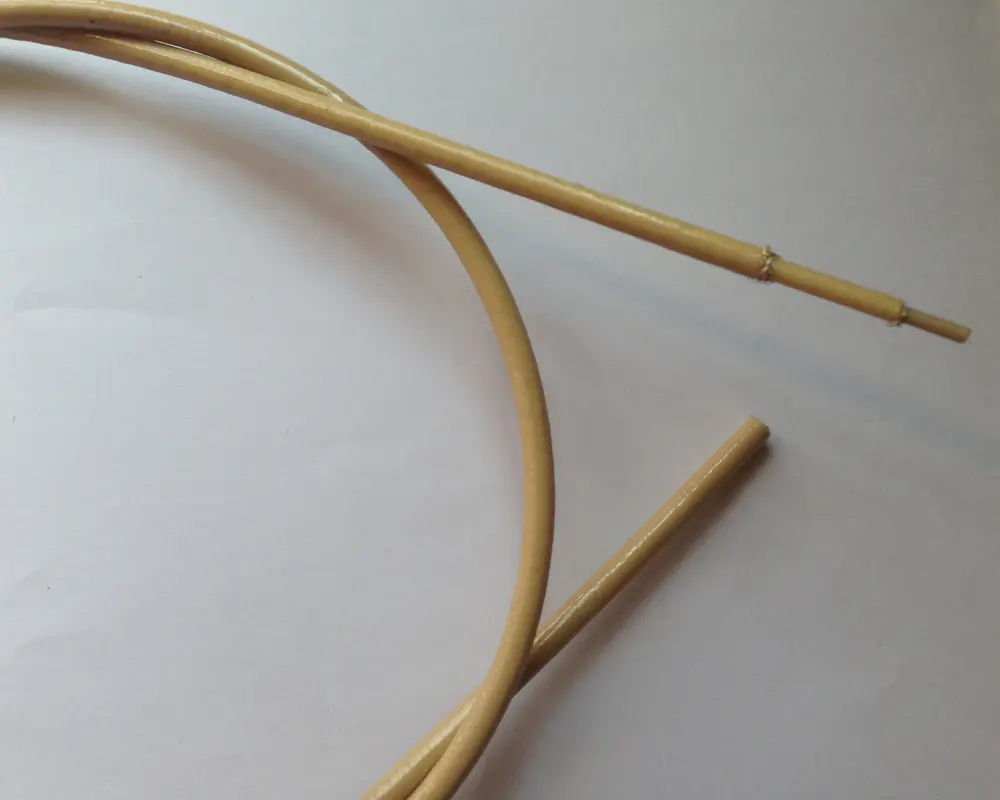
Nella progettazione di dispositivi medici avanzati, è necessario utilizzare materiali che offrano resistenza, biocompatibilità e stabilità. Il filo medicale in PEEK soddisfa questi requisiti grazie a un'eccezionale resistenza alla trazione (90-100 MPa), un elevato allungamento a rottura e una notevole tenacità alla frattura, come illustrato di seguito:ProprietàFilo medico in PEEKResistenza alla trazione (MPa)90–100Modulo elastico (GPa)3.0–4.0Allungamento a rottura (%)30–50Tenacità alla frattura (J/m)70–90Il PEEK resiste inoltre al calore, alle radiazioni e ai cicli ripetuti di sterilizzazione. Ciò si traduce in una maggiore sicurezza per il paziente e in una maggiore affidabilità del dispositivo, un motivo fondamentale per cui l'industria medica apprezza sempre di più questo materiale. Punti chiaveIl filo medicale in PEEK offre un'eccellente biocompatibilità, che lo rende sicuro per impianti a lungo termine e riduce i rischi di infezione.Il materiale combina un'elevata resistenza alla trazione con la flessibilità, garantendo durata e prestazioni in applicazioni mediche impegnative.Il PEEK resiste a oltre 1000 cicli di sterilizzazione in autoclave, mantenendo le sue proprietà meccaniche e contribuendo alla longevità del dispositivo.La sua resistenza al calore, alle radiazioni e agli agenti chimici rende il PEEK ideale per l'utilizzo in ambienti medici difficili.Il PEEK consente la progettazione di dispositivi avanzati, permettendo soluzioni innovative nel campo delle tecnologie mediche minimamente invasive e impiantabili. Vantaggi del filo medicale in PEEKBiocompatibilità e purezzaAvete bisogno di materiali che proteggano i pazienti e supportino le prestazioni dei dispositivi. Il filo medicale in PEEK offre un'eccellente biocompatibilità, che lo rende adatto per impianti permanenti. Il materiale soddisfa gli standard USP classe VI, garantendo purezza e sicurezza. Potete fare affidamento sul PEEK per applicazioni in cui il contatto con il paziente è frequente o prolungato. Il suo basso assorbimento d'acqua, circa lo 0,1% a saturazione, fa sì che il filo medicale in PEEK mantenga le sue dimensioni e la sua purezza anche dopo l'esposizione a fluidi o bagni chimici. Questa proprietà riduce il rischio di contaminazione e supporta la sicurezza del paziente.Mancia: Scegli il filo medicale in PEEK per dispositivi che richiedono elevata purezza e biocompatibilità. Le sue prestazioni in ambito medicale lo distinguono da molti altri polimeri. Forza e flessibilitàIl filo medicale in PEEK offre elevata resistenza alla trazione e flessibilità, caratteristiche essenziali per le applicazioni mediche più esigenti. Di seguito è possibile visualizzare il confronto:MaterialeResistenza alla trazione (MPa)Modulo di Young (GPa)SBIRCIARE85-1002,8-3,9acciaio inossidabile517200Sebbene l'acciaio inossidabile offra una maggiore resistenza alla trazione, il PEEK garantisce un equilibrio unico tra resistenza e flessibilità. Offre una resistenza alla fatica superiore, che previene la deformazione in ambienti dinamici. Il PEEK mantiene la sua efficacia per periodi prolungati, grazie all'eccezionale resistenza allo scorrimento viscoso e all'eccellente resistenza alla compressione. È possibile lavorare, stampare a iniezione o stampare in 3D il filo medicale in PEEK, offrendo versatilità nella progettazione dei dispositivi.Resistenza meccanica eccezionale con resistenza alla trazione compresa tra 97 e 200 MPa.Eccellente resistenza alla fatica e all'usura, che lo rende adatto per guarnizioni e componenti dinamici.L'elevato rapporto resistenza-peso consente al PEEK di sostituire il metallo in alcune applicazioni. Resistenza al calore e alle radiazioniIl filo medicale in PEEK resiste a temperature di utilizzo continuo fino a 260 °C senza degradarsi. Il PEEK mantiene le sue proprietà meccaniche anche ad alte temperature, aspetto fondamentale per l'affidabilità dei dispositivi. Il materiale offre inoltre prestazioni ottimali in caso di esposizione ripetuta alle radiazioni. La tabella seguente mostra come il PEEK conserva la sua integrità strutturale dopo un'esposizione a 1000 Mrad di radiazioni:ProprietàPrima della radioterapiaDopo 1000 MradModificaResistenza all'impatto Charpy>6 kJ/m²diminuzione del 15-25%Sufficiente per applicazioni strutturaliTemperatura di transizione vetrosa (Tg)≈ 143 °Cvariazione di ±3°CDisagi minimiPunto di fusione (Tm)≈ 343 °Cvariazione di ±2°CStruttura cristallina intattaTemperatura di deflessione termica (HDT)>300°C>300°CMantenutoInizio della decomposizione termica575-580 °CDiminuire di 5-10 °CLa stabilità fondamentale rimane sostanzialmente invariata.Coefficiente di dilatazione termica47-50 × 10⁻⁶ /°C
PER SAPERNE DI PIÙ


 Rete IPv6 supportata